What is an Energy Audit?

An energy audit is a systematic evaluation of a building’s energy consumption and efficiency. It involves a detailed inspection and analysis of various energy-consuming systems, such as lighting, HVAC (heating, ventilation, and air conditioning), appliances, insulation, and building envelope. The primary goal of an energy audit is to identify energy inefficiencies and suggest improvements that can result in energy savings and cost reduction. The audit typically includes an examination of utility bills, an inspection of the building, and the use of specialized tools to measure energy usage. By providing a comprehensive assessment of a building’s energy performance, an energy audit helps in making informed decisions regarding energy-saving strategies and investments.

Please reach out to learn more!

← Back

Thank you for your response. ✨

Warning
Warning
Warning
Warning.

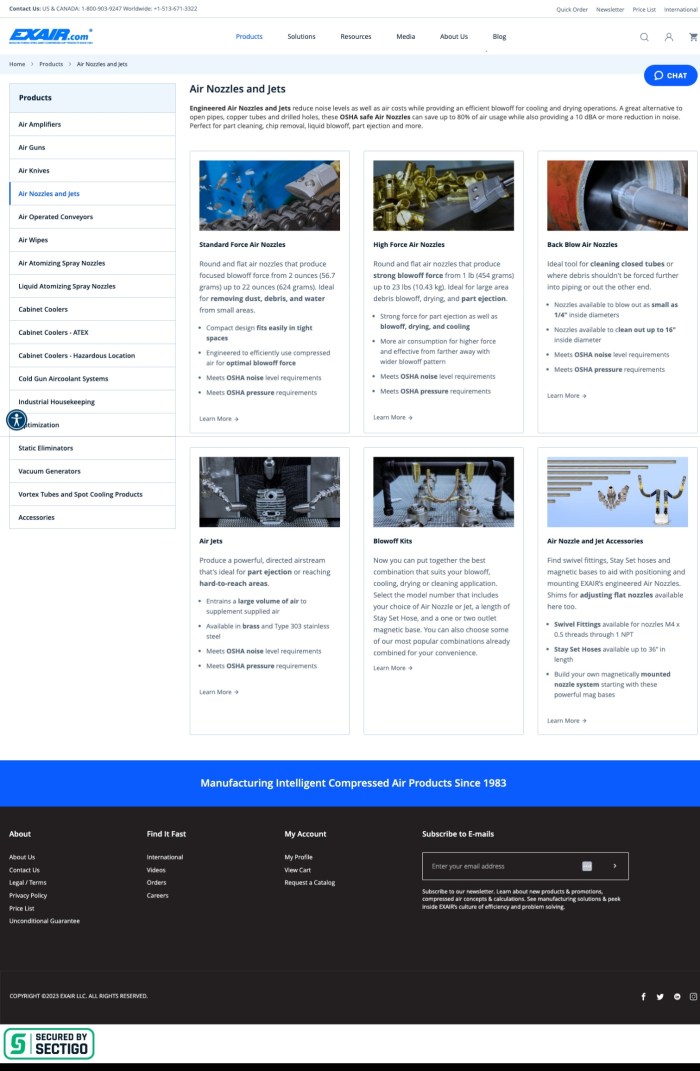
What are the benefits of using Engineered Nozzles for Compressed Air?

Engineered nozzles for compressed air can bring several benefits and considerations that make them worth caring about:

  1. Efficiency: Compressed air is a valuable resource, and using it efficiently is crucial for reducing energy consumption and operating costs. Engineered nozzles are designed to maximize the power of compressed air, ensuring it is utilized effectively and minimizing any wastefulness.
  2. Cost savings: By using engineered nozzles, you can achieve significant cost savings. These nozzles are specifically designed to provide the desired airflow while minimizing pressure drop and avoiding unnecessary energy loss. This leads to reduced energy bills and overall lower operating expenses.
  3. Performance and productivity: Engineered nozzles offer better performance and productivity in compressed air applications. They can provide higher velocities, better air dispersion, and improved control over the airflow direction. This translates to enhanced efficiency in cleaning, drying, cooling, blow-off, and other compressed air processes.
  4. Noise reduction: Traditional open-ended nozzles often generate excessive noise due to high-velocity air flow and turbulence. Engineered nozzles, such as air amplifiers or air knives, can reduce noise levels significantly while maintaining the required airflow. This is crucial for creating a safer and more comfortable working environment.
  5. Safety considerations: Using the correct engineered nozzle for compressed air applications is essential for safety. Improperly designed or worn-out nozzles can lead to excessive air pressure, which may cause injury to personnel or damage equipment. Engineered nozzles are specifically engineered to meet safety standards, ensuring stable and controlled airflow.
  6. Environmental impact: Efficient use of compressed air contributes to environmental sustainability. Engineered nozzles help minimize compressed air waste, reducing the carbon footprint associated with energy production. By optimizing compressed air usage, you can contribute to a greener and more efficient operation.

In summary, caring about engineered nozzles for compressed air can lead to improved efficiency, cost savings, enhanced performance, noise reduction, safety, and environmental sustainability. Utilizing the right nozzle design can unlock the full potential of compressed air, benefiting both your operations and the surrounding environment.

Many times, utility energy efficiency programs may provide these at no cost. If you’re not sure how to proceed, please reach out to me and I’ll give you a hand.
← Back

Thank you for your response. ✨

Warning
Warning
Warning
Warning.

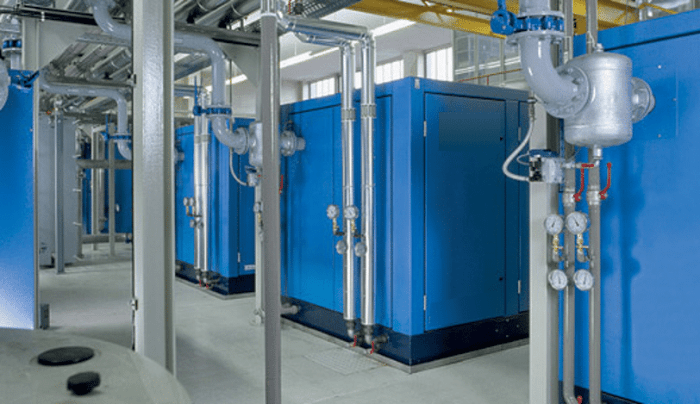
Why should I care about compressed air?

Compressed air is an essential and versatile resource that has numerous applications across various industries. Here are a few reasons why you should care about compressed air:

  1. Efficiency: Compressed air is a highly efficient source of energy. It can be used to power a wide range of tools and equipment, including pneumatic tools, compressors, and machinery. Due to its flexibility, it can perform tasks more efficiently compared to other energy sources.
  2. Cost-effectiveness: Investing in a compressed air system can lead to long-term cost savings. While the initial setup costs may be higher, the energy efficiency and durability of compressed air systems can result in reduced energy consumption and maintenance costs over time.
  3. Safety: Compressed air systems are generally safer to use compared to other energy sources. With proper installation and maintenance, the risks of fire and electrical hazards can be minimized. Additionally, compressed air eliminates the need for fuel storage and handling, reducing the potential for accidents.
  4. Versatility: Compressed air is used in various industries such as manufacturing, construction, automotive, and healthcare. It is employed for tasks like operating machinery, powering pneumatic tools, cleaning and drying components, and even in medical applications. Its versatility makes it indispensable in many sectors.
  5. Environmental friendliness: Compressed air is one of the cleanest forms of energy since it produces no emissions during operation. It can be a greener alternative to fossil fuel-based energy sources, contributing to a more sustainable and environmentally friendly operation.

Whether you’re a homeowner or a business owner, understanding the benefits and applications of compressed air can help you make informed decisions and leverage its advantages in your daily operations.

Please like or comment or complete the form below to talk more about how this applies to your current operation.

← Back

Thank you for your response. ✨

Warning
Warning
Warning
Warning.