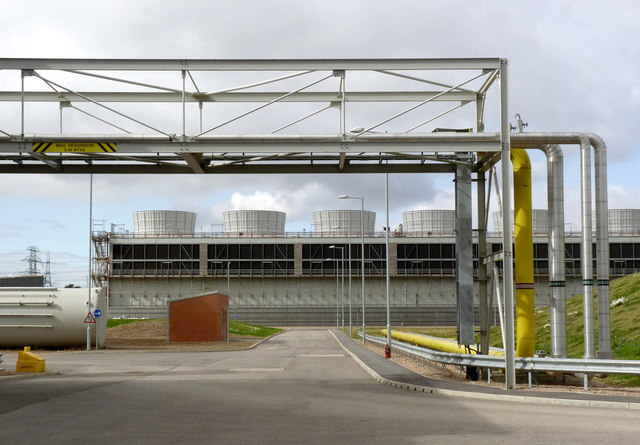
Energy efficient cooling towers

Making your cooling tower more energy efficient can help reduce operating costs and environmental impact. Here are some ways to achieve that:

  1. Optimize water treatment: Proper water treatment is essential for maintaining the efficiency of your cooling tower. By using effective treatment chemicals and implementing routine maintenance practices, you can prevent scale, corrosion, and biological growth that can impair heat transfer and increase energy consumption.
  2. Improve airflow: Ensure that the cooling tower is receiving an adequate supply of air. Remove any obstructions or debris near the tower to allow for optimal airflow. Properly functioning fans and clean air intakes also contribute to improved efficiency.
  3. Enhance water distribution: Uneven water distribution can lead to inefficient cooling and increased energy usage. Regularly inspect and clean spray nozzles to ensure proper water distribution over the cooling media. Consider upgrading to more efficient spray nozzles if necessary.
  4. Use variable frequency drives (VFDs): Install VFDs on the cooling tower fans to control their speed based on the cooling load requirements. VFDs allow for better energy optimization by adjusting fan speed to match the desired cooling demand, rather than running at full speed continuously.
  5. Implement water-saving measures: Explore options for water conservation, such as implementing water recovery systems, using recycled water sources, or installing automatic water level controls to avoid unnecessary water waste.
  6. Conduct regular maintenance: Regularly inspect and maintain the cooling tower equipment to ensure it operates at peak efficiency. This includes cleaning the cooling tower fill, checking belts, lubricating fan motors, and addressing any leaks or issues promptly.
  7. Consider upgrading equipment: If your cooling tower is old or inefficient, upgrading to newer, energy-efficient models can significantly reduce energy consumption and improve overall performance.

Remember, the specific measures to improve energy efficiency may vary depending on the type, size, and condition of your cooling tower. It’s always advisable to consult with a qualified professional to assess your unique requirements and recommend the most suitable energy-saving strategies.

Take advantage of utility rebates


Commercial and industrial energy efficiency rebates provide several advantages. These rebate programs are aimed at encouraging businesses and industries to invest in energy-efficient technologies and practices, ultimately leading to reduced energy consumption and lower operating costs.

One of the key benefits of these rebate programs is the financial incentive they offer. By providing rebates for energy-efficient upgrades such as lighting systems, HVAC systems, insulation, and more, businesses can offset a portion of their upfront costs. This can greatly improve the return on investment for energy efficiency projects, making them more financially viable for organizations of all sizes.

Moreover, energy efficiency rebates also contribute to environmental sustainability. By promoting the adoption of energy-efficient technologies, businesses can reduce their carbon footprint and contribute to the global efforts towards mitigating climate change. With reduced energy consumption, these organizations can help conserve natural resources and support a cleaner, greener future.

In addition to the financial and environmental benefits, energy efficiency rebates also stimulate economic growth. These programs often require collaboration between utilities, government agencies, and businesses, creating employment opportunities in fields like engineering, construction, and renewable energy. As industries embrace energy-efficient practices, new jobs are created, and local economies can experience a boost.

It’s worth mentioning that energy efficiency rebate programs also foster innovation. Businesses are encouraged to explore and implement cutting-edge technologies that can optimize energy usage, improve productivity, and enhance operational efficiency. This drive towards innovation helps spur research and development in the field of energy efficiency, leading to further advancements in the industry.

In conclusion, commercial and industrial energy efficiency rebate programs offer multiple advantages by providing financial incentives, promoting environmental sustainability, boosting economic growth, and encouraging innovation. Businesses that take advantage of these programs can not only reduce their energy costs but also contribute positively to their bottom line, the environment, and the overall community.

  1. Cost savings: Rebates help offset the initial investment required for energy efficiency upgrades, making them more financially feasible for businesses. By reducing upfront costs, companies can achieve a faster return on investment.
  2. Increased cash flow: Lower energy bills resulting from efficiency upgrades can free up cash that can be reinvested in the business. This extra liquidity can be used for other operational improvements or expansion plans.
  3. Enhanced competitiveness: Energy-efficient operations can give businesses a competitive edge. Energy-efficient equipment and practices often lead to increased productivity, improved product quality, and reduced downtime, all of which can help a company stay ahead in the market.
  4. Environmental benefits: Energy efficiency rebates encourage the adoption of technologies and practices that reduce energy consumption. By minimizing energy waste, businesses can lower their carbon footprint and contribute to a more sustainable future.
  5. Positive public image: Businesses that prioritize energy efficiency demonstrate their commitment to environmental stewardship. This can enhance their reputation among stakeholders, including customers, investors, and the local community.
  6. Access to additional incentives: In some cases, energy efficiency rebates may also make businesses eligible for other incentives. For example, certain industries may qualify for tax credits or grants based on their energy-saving initiatives.

Overall, commercial and industrial energy efficiency rebates provide financial incentives, energy savings, and various other benefits that help businesses become more sustainable, competitive, and environmentally responsible.

The importance of controlling electric demand charges

Controlling electric demand charges is important for several reasons:

  1. Cost savings: Demand charges can make up a significant portion of an electricity bill. By effectively managing and reducing peak demand, businesses can avoid costly surcharges and ultimately reduce their overall energy expenses.
  2. Financial stability: Demand charges are typically based on the highest amount of electricity used within a given period. By controlling demand and minimizing peak usage, businesses can achieve more predictable and stable energy costs, making budgeting and financial planning easier.
  3. Sustainability: Peak demand often leads to the use of additional power sources to meet the increased electricity needs. By controlling demand and reducing the strain on the grid during peak hours, businesses can contribute to a more sustainable energy system by promoting a more balanced and efficient energy generation and consumption.
  4. Grid reliability: High levels of demand during peak periods can strain the electricity grid, increasing the risk of power outages. By actively managing demand, businesses can help enhance the reliability and stability of the grid, ensuring a more resilient electrical infrastructure for everyone.

Overall, controlling electric demand charges not only helps businesses save money but also promotes sustainability, financial stability, and grid reliability.

Why is energy efficiency important?

Energy efficiency is important for several reasons:

  1. Cost savings: Improving energy efficiency helps individuals and businesses save money by reducing energy consumption. By using less energy to achieve the same results, you can lower your utility bills and operating costs.
  2. Environmental benefits: Energy production often involves the burning of fossil fuels, which releases greenhouse gases into the atmosphere. These gases contribute to climate change and air pollution. By reducing energy consumption, we can help mitigate these effects and reduce our carbon footprint.
  3. Resource conservation: Energy efficiency helps conserve natural resources such as coal, oil, and gas. By using energy more efficiently, we decrease our reliance on finite resources, ensuring their availability for future generations.
  4. Improved productivity and comfort: Energy-efficient technologies and practices can enhance productivity and comfort in homes, offices, and other settings. For example, efficient appliances and HVAC systems can provide a more comfortable environment while using less energy.
  5. Energy security: By reducing energy consumption, we can reduce our dependence on imported energy sources. Enhancing energy efficiency can help increase energy independence and security for countries and communities.

Overall, energy efficiency is a key component of sustainable development, offering economic, environmental, and social benefits.

Predictive maintenance pays off

Taking advantage of predictive maintenance strategies can pay off in energy savings and reduced downtime.

Predictive maintenance is undoubtedly a powerful tool in optimizing energy consumption and minimizing the impact of equipment failures. By leveraging advanced analytics and machine learning algorithms, organizations can accurately predict when a machine or system is likely to fail and take proactive measures to prevent it.

One of the significant advantages of predictive maintenance is its ability to reduce downtime. Traditionally, maintenance tasks were performed on a fixed schedule, often resulting in unnecessary downtime and costs. With predictive maintenance, these tasks are performed only when needed, based on the actual condition of the equipment. This not only saves valuable time but also ensures that maintenance activities are targeted and efficient.

Moreover, the implementation of predictive maintenance can lead to substantial energy savings. By detecting and addressing potential issues before they escalate, organizations can avoid energy waste caused by malfunctioning equipment. For example, a predictive maintenance system could identify a motor with deteriorating bearings, prompting maintenance technicians to replace them promptly and prevent excessive energy consumption.

Another benefit of predictive maintenance is the ability to extend the lifespan of critical assets. By continuously monitoring and analyzing their performance, organizations can identify maintenance needs and address them promptly, thus increasing the equipment’s longevity. This not only saves costs on premature replacements but also contributes to sustainable resource management.

In conclusion, by embracing predictive maintenance strategies, organizations can unlock numerous benefits, including energy savings, reduced downtime, and prolonged equipment lifespan. As technology continues to advance, the combination of data analytics and machine learning will become increasingly critical in optimizing maintenance practices and ensuring operational efficiency.

why should you review your utility bill

It is highly advisable to engage with your utility account manager to conduct a thorough review of your bill and ascertain whether your company is on the most advantageous tariff. The following compelling reasons underscore the importance of this practice:

  1. Cost Optimization: The variability in utility tariffs necessitates regular scrutiny to ensure optimal cost management. Collaborating with your account manager enables you to identify potential savings, capitalize on available discounts, and leverage special rates that align with your operational requirements.
  2. Accurate Billing: Occasional inaccuracies or discrepancies in billing can transpire, resulting in erroneous charges or overbilling. By actively involving your account manager in bill analysis, you can promptly detect and rectify any billing errors, safeguarding your financial interests.
  3. Changing Business Needs: The evolving dynamics of your business may warrant a reassessment of your existing tariff structure. Periodically evaluating your tariff in consultation with your account manager assists in ascertaining its continued suitability vis-à-vis your altered operational demands, ensuring alignment between your energy requirements and tariff configuration.
  4. Energy Efficiency: Collaborating with your account manager to review your bill presents an opportunity to evaluate energy consumption patterns and identify avenues for enhanced efficiency. Through their expertise, they can provide valuable insights into energy-saving practices and offer alternative tariff options that foster sustainable energy usage and conservation.
  5. Access to Expertise: Leveraging the extensive knowledge and experience of your account manager renders access to invaluable guidance. They are equipped to address your inquiries, assuage concerns, and offer informed recommendations pertaining to energy usage, tariff selection, and regulatory compliance, tailored to the specific nuances of your business.

In summary, engaging your utility account manager to review your bill and validate the appropriateness of your company’s tariff choice assumes paramount significance in optimizing costs, ensuring billing accuracy, adapting to evolving operational needs, promoting energy efficiency, and benefiting from expert insights.

The importance of power factor correction

Power factor correction is important for several reasons:

  1. Efficient Use of Electrical Power: Power factor correction enables the efficient use of electrical power by minimizing the reactive power component. Reactive power does not perform useful work but still draws current, resulting in increased energy consumption. By improving the power factor, the amount of reactive power is reduced, allowing for a more efficient utilization of electrical power.
  2. Cost Savings: Implementing power factor correction can lead to significant cost savings. Many utility companies charge penalties or higher rates for low power factor, as it causes additional strain on the electrical grid. By improving the power factor, businesses can avoid these penalties and reduce their electricity bills.
  3. Increased System Capacity: Low power factor increases the current requirements for a given amount of active power. This can strain the electrical distribution system, leading to voltage drops and decreased capacity. Power factor correction helps reduce the reactive power demand, freeing up capacity and allowing for the connection of more electrical loads without overloading the system.
  4. Optimized Equipment Performance: Electrical equipment is designed to operate at a specific power factor. When the power factor deviates from the optimal range, equipment can experience reduced efficiency, increased heating, and decreased lifespan. By implementing power factor correction, equipment operates closer to its intended power factor, ensuring optimal performance and prolonging its lifespan.
  5. Environmental Considerations: A high power factor indicates efficient energy usage and reduces the overall demand on power generation. This, in turn, can lead to a lower carbon footprint and a more sustainable energy system. By improving power factor, businesses contribute to a greener environment and support energy conservation efforts.

In summary, power factor correction is important to achieve efficient use of electrical power, reduce costs, increase system capacity, optimize equipment performance, and promote environmental sustainability. It is a valuable approach in improving the overall efficiency and reliability of electrical systems.

Hire Me for Your Commercial Energy Efficiency Needs

If you are seeking assistance with your commercial energy efficiency goals, I strongly believe that I can be of great help. Here are a few compelling reasons to hire me:

Expertise and Knowledge: With years of experience in the industry, I possess a deep understanding of commercial energy efficiency. I keep up-to-date with the latest trends and technologies, enabling me to offer innovative solutions tailored to your specific needs.

Cost Reduction: Implementing energy-efficient practices can significantly reduce operational costs, and I specialize in identifying areas where energy waste can be minimized. By hiring me, you can expect reduced energy expenses and an increased bottom line.

Sustainability Focus: Environmental consciousness is no longer just a trend; it’s a necessity. I am committed to promoting sustainable energy usage and helping businesses adopt eco-friendly practices. Together, we can make a positive impact on the environment while still improving your commercial energy efficiency.

Customized Solutions: Every business is unique, and I understand that a one-size-fits-all approach won’t work. I will collaborate with you to develop tailored energy efficiency solutions that align with your goals and budget. Whether it’s upgrading equipment, optimizing systems, or implementing renewable energy sources, I will create a customized plan that suits your specific requirements.

Long-Term Benefits: Investing in energy efficiency today will yield long-term benefits for your business. By hiring me, you can be confident that you are making a wise investment that will continue to pay off in the future.

Reduced Carbon Footprint: Transitioning to energy-efficient practices not only benefits your business financially but also contributes to a cleaner environment. By reducing your carbon footprint, you can enhance your brand’s reputation and appeal to environmentally conscious customers.

In summary, I am equipped with extensive knowledge, a focus on sustainability, and the ability to deliver cost-effective, customized solutions to meet your commercial energy efficiency needs. Let’s work together to optimize your energy usage and pave the way for a brighter, more sustainable future.

What are the benefits of Barrel Wrap for Injection Molding?

Barrel wrap is a protective covering that is commonly used in injection molding machines. It offers a range of benefits, including:

  1. Heat Insulation: Barrel wrap helps to insulate the barrel of the injection molding machine, preventing heat loss and maintaining a consistent temperature during the molding process. This insulation promotes energy efficiency and reduces the need for excessive heating, ultimately saving on energy costs.
  2. Temperature Control: By providing a thermal barrier, barrel wrap assists in maintaining precise temperature control within the barrel. This is important for achieving accurate and repeatable molding results, particularly when working with temperature-sensitive materials.
  3. Process Stability: The insulation provided by barrel wrap minimizes heat fluctuations, which can lead to thermal expansion and contraction of the barrel. This stability helps reduce the risk of variations in part dimensions, ensuring consistent quality in the manufactured products.
  4. Safety: Barrel wrap acts as a safety measure by reducing the surface temperature of the barrel. This makes it safer for operators and technicians to carry out maintenance tasks or make adjustments to the machine without the risk of accidental burns.
  5. Noise Reduction: In addition to its thermal properties, barrel wrap also aids in reducing noise generated during the injection molding process. By muffling the sound of the plasticizing screw and the movement of the polymer melt, it contributes to a quieter and more comfortable working environment.

Overall, barrel wrap offers numerous benefits in terms of energy efficiency, temperature control, process stability, safety, and noise reduction. It is a valuable accessory for injection molding machines, enhancing both performance and operator comfort.

← Back

Thank you for your response. ✨

Warning
Warning
Warning
Warning.

What is an Energy Audit?

An energy audit is a systematic evaluation of a building’s energy consumption and efficiency. It involves a detailed inspection and analysis of various energy-consuming systems, such as lighting, HVAC (heating, ventilation, and air conditioning), appliances, insulation, and building envelope. The primary goal of an energy audit is to identify energy inefficiencies and suggest improvements that can result in energy savings and cost reduction. The audit typically includes an examination of utility bills, an inspection of the building, and the use of specialized tools to measure energy usage. By providing a comprehensive assessment of a building’s energy performance, an energy audit helps in making informed decisions regarding energy-saving strategies and investments.

Please reach out to learn more!

← Back

Thank you for your response. ✨

Warning
Warning
Warning
Warning.